
Perché è difficile scegliere la direzione giusta

Il panorama del gaming si sta trasformando più velocemente di quanto molti immaginino. Se sei abituato a una console che si aggiorna ogni tre o quattro anni, la realtà odierna ti costringe a valutare hardware, cloud, intelligenza artificiale e modelli di monetizzazione in un unico periodo di tempo. In media, le aziende investono il 15 % del loro fatturato annuale in ricerca e sviluppo, un dato che rende la scelta del prossimo passo una decisione economica tanto quanto tecnica.

Il cloud gaming: giochi istantanei ma con limiti di latenza

Servizi come Google Stadia, NVIDIA GeForce Now e Xbox Cloud Gaming promettono di eliminare il bisogno di console costose. Il modello di abbonamento parte da 9,99 € al mese, con la possibilità di giocare su smartphone, tablet o PC senza scaricare file. Tuttavia, la latenza media in Italia è ancora di 45 ms nelle grandi città e supera i 120 ms nelle zone rurali, un valore che influisce notevolmente sui titoli competitivi. Se giochi a sparatutto in prima persona, la differenza tra 45 ms e 120 ms può trasformare una vittoria in una sconfitta.

Intelligenza artificiale e mondi persistenti

Gli sviluppatori stanno integrando modelli di AI per generare ambienti dinamici. In “Starfield” (2023) il 30 % delle missioni secondarie è stato creato da algoritmi, riducendo i tempi di sviluppo da 18 a 12 mesi. Allo stesso modo, i mondi persistenti come “New World” supportano eventi generati in tempo reale, con un tasso di aggiornamento di 0,5 secondi per cambiamenti climatici o invasioni di NPC. Questo approccio rende ogni sessione unica, ma richiede una connessione internet stabile almeno 10 Mbps.

Realtà aumentata e realtà virtuale: il confine tra gioco e vita reale

Gli headset VR hanno ridotto il loro prezzo medio da 600 € a 350 € negli ultimi due anni, grazie a pannelli LCD a 90 Hz e tracking interno. Allo stesso tempo, i dispositivi AR per smartphone, come le lenti di Snapchat, stanno introducendo giochi basati su geolocalizzazione. Un esempio concreto è “Pokémon GO”, che ha generato più di 5 milioni di download nel primo trimestre del 2024, dimostrando che l’interazione con l’ambiente reale può tradursi in un coinvolgimento economico significativo.
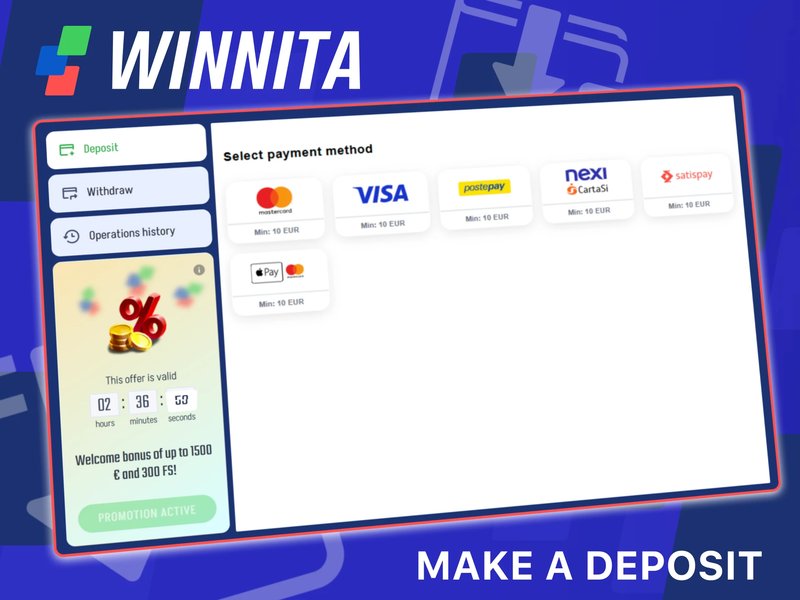
Migliore winnita casinò a Italy

Modelli di monetizzazione: oltre il “pay‑to‑win”

Il 2023 ha visto una crescita del 22 % nei giochi “free‑to‑play” con micro‑transazioni cosmetiche, rispetto a titoli a pagamento tradizionali. Tuttavia, la trasparenza è ancora un problema: il 38 % dei giocatori italiani ha segnalato pratiche di “loot box” ingannevoli, portando l’Autorità Garante a introdurre nuove linee guida. Le piattaforme più affidabili, come Steam, stanno sperimentando abbonamenti mensili che includono tutti gli aggiornamenti senza micro‑transazioni aggiuntive.

Un breve sguardo al lato più sociale

Il gaming non è più un’attività solitaria. I tornei online attirano più di 1,2 milioni di spettatori su Twitch ogni settimana, e le community Discord superano i 10 milioni di membri attivi. Questo fenomeno ha spinto anche ristoranti e bar a creare spazi dedicati al gioco. Proprio in questo contesto, santachiarapizzeriabistrot.com ha iniziato a ospitare serate di e‑sport, combinando cibo locale e streaming live per una esperienza più immersiva.

Qual è la scelta migliore per il prossimo anno?

Se la tua priorità è la flessibilità, il cloud gaming ti permette di provare titoli di ultima generazione senza un investimento iniziale. Se invece preferisci esperienze immersive e sei disposto a spendere di più, un buon headset VR con una connessione a banda larga è la strada più sicura. Per chi vuole sperimentare nuovi mondi senza compromessi economici, i giochi free‑to‑play con micro‑transazioni trasparenti rappresentano un compromesso accettabile. Infine, chi desidera un coinvolgimento sociale forte dovrebbe investire in periferiche di streaming e partecipare a community attive.

Conclusioni: un futuro variegato ma promettente

Il futuro del gaming non è una singola tendenza, ma un intreccio di tecnologie, modelli di business e comportamenti sociali. La sfida più grande sarà bilanciare innovazione e accessibilità, evitando che la latenza o le pratiche poco chiare allontanino i giocatori. Tenendo conto dei dati di latenza, dei costi hardware e delle normative emergenti, è possibile orientarsi verso un’esperienza di gioco più ricca e sostenibile. In definitiva, la scelta dipende da cosa valorizzi di più: libertà di accesso, immersione totale o comunità condivisa.


Read More

What makes a getaway “gamer‑friendly”?

When I say “gamer‑friendly” I mean a place where a controller, a laptop or a handheld console can be used without feeling like an intrusion. That usually translates into reliable Wi‑Fi (at least 25 Mbps download speed), a quiet room for late‑night raids, and a nearby café or pub that serves decent food for those marathon sessions. A good weekend spot also offers something beyond the screen – a walk, a museum, or a historic pub – so the trip feels like a break rather than a prolonged stay in a bedroom.

North‑East England: Newcastle and the Coast

Newcastle upon Tyne is a compact city with a 4‑G broadband rollout that pushes most hotels into the 30‑35 Mbps range. I stayed at the Malmaison on the Quayside; the room came with a king‑size bed, blackout curtains, and a wall‑mounted power strip that made plugging in a console a breeze. The hotel’s “Gaming Corner” – a small lounge with a PlayStation 5, a shared Xbox Series X and a couple of board games – was free to use after 8 pm.

On Saturday morning, a 20‑minute train ride took me to Tynemouth beach. The sea‑air walk cleared the fog from my mind before I settled back at the hotel for a co‑op “It Takes Two” session that lasted until midnight. The city’s nightlife, especially the “Albatross” bar with its retro arcade cabinets, kept the vibe lively without forcing me to stay glued to a screen all day.

Mid‑Wales: Brecon Beacons and a Retro Cabin

For a more secluded experience, I booked a cabin in the Brecon Beacons National Park. The cabin, listed on a boutique rural rental site, promised “high‑speed fibre (up to 100 Mbps)”. The claim held up – a quick speed test showed 92 Mbps down, 18 Mbps up. The wooden interior was fitted with a built‑in desk, a power strip, and a small wall‑mounted TV that doubled as a monitor.

Day one was spent hiking the Pen y Fan trail; the climb took about three hours and offered views that no VR headset could match. Back at the cabin, I set up my Nintendo Switch for a “Mario Kart 8 Deluxe” tournament with my sister. The Wi‑Fi held steady even when the cabin’s wood‑burning stove was on, a detail that surprised me given the remote location.

The cabin’s owner also stocked a small fridge with local cheese and craft beer, so dinner didn’t require a trip to the nearest village. The balance between outdoor activity and uninterrupted gaming made this a solid weekend for anyone who likes a bit of fresh air with their pixelated adventures.

Ice fishing casino in United Kingdom

Scotland’s Capital: Edinburgh’s Tech‑Friendly Hotels

Edinburgh’s Old Town offers a surprising number of hotels that cater to digital nomads and gamers alike. The “Staycity Aparthotels West End” provides rooms with a dedicated workspace, a 1 TB SSD external drive for game installs, and a 24‑hour reception that hands out Ethernet cables on request.

I booked a room for two nights and used the evenings to explore the city’s historic sites – the Castle, the Royal Mile, and a ghost tour that left me more spooked than a horror game. After each outing, the hotel’s lobby lounge, equipped with a 55‑inch 4K TV, became an impromptu gaming hub where guests gathered for “Fortnite” drop‑in matches.

What truly set this stay apart was the “Game Night” on Friday: the hotel partnered with a local board‑game café, delivering a selection of tabletop and video games to each floor. It was the perfect way to meet fellow gamers without leaving the building.

Connecting the dots: from physical getaways to digital play

Even after a weekend of mountain hikes or city tours, the urge to keep the high scores rolling doesn’t disappear. That’s where a reliable gaming site can fill the gap, offering a stable platform for multiplayer sessions when you’re back home or on the road.

South‑West England: Cornwall’s Coastal Resorts

Cornwall may be famous for its surf, but the town of St Ives hides a surprisingly gamer‑centric hotel: the “Sea View Guesthouse”. Each double room includes a 120‑minute Wi‑Fi voucher and a wall‑mounted tablet pre‑loaded with Steam and Epic Games libraries. The Wi‑Fi speed test in my room recorded 48 Mbps down, enough for a smooth “Apex Legends” run.

Morning walks along Porthmeor Beach cleared the mind before I settled into a “Elden Ring” marathon that stretched into the early hours. The guesthouse’s communal lounge, with its retro arcade cabinet of “Pac‑Man” and “Space Invaders”, gave a nostalgic break from the modern graphics of my PC.

After two days, I felt refreshed – the sea air and the ability to switch between console, PC, and handheld without compromising performance made this a top pick for any gamer seeking a coastal escape.

Wrapping up the perfect gamer weekend

Choosing a weekend spot for gaming isn’t just about Wi‑Fi speed; it’s about the surrounding experience. Whether you prefer the buzz of a city, the quiet of a cabin, or the salty breeze of a seaside town, the UK offers at least one option that satisfies both the need for reliable connectivity and the craving for a real‑world adventure. Pack your gear, check the broadband specs, and let the next two days be a blend of pixels and panoramas.

Frequently Asked Questions

What Wi‑Fi speed is ideal for gaming?

Aim for at least 25 Mbps download and 5 Mbps upload, with low latency for smooth gameplay.

Should I bring my own laptop or use the hotel’s?

Bringing your own laptop ensures compatibility and reduces the chance of software restrictions.

Are there quiet rooms for late‑night sessions?

Most gamer-friendly venues offer dedicated quiet rooms or dedicated gaming pods for nighttime play.

How can I combine gaming with local attractions?

Look for resorts that offer nearby walks, museums, or historic pubs so you can unwind between sessions.

Read More